
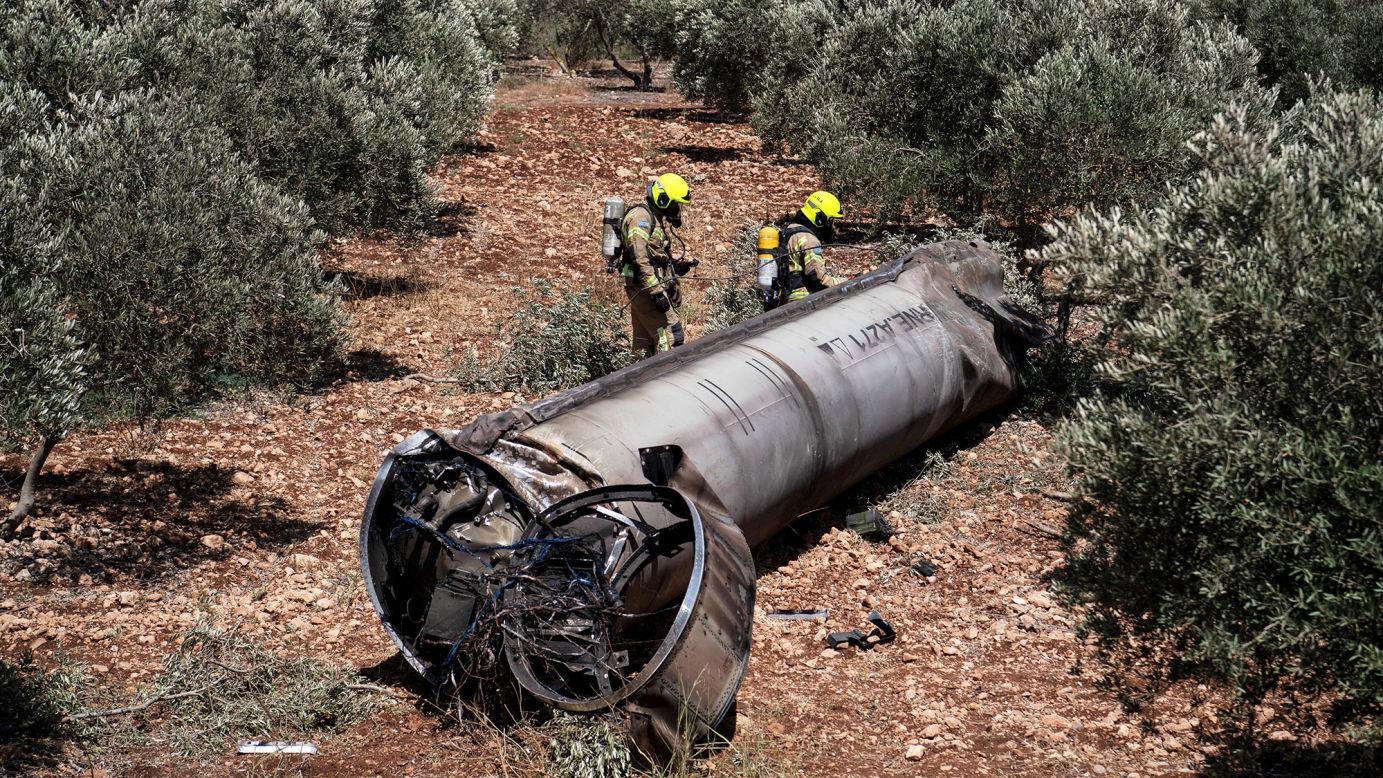
If you have been following the Iran nuclear saga for the past twenty years, you have seen this movie before. Iran gets caught violating agreements, denies everything, the IAEA issues a report confirming the violations, Iran blames Western intelligence agencies, rinse and repeat. The latest round is no different, and the pattern tells you everything you need to know about whether Iran can be trusted with any nuclear deal.
In early 2024, the IAEA reported that Iran had enriched uranium to near weapons grade levels, far beyond what any civilian nuclear program requires. Iran claimed the enrichment was for medical research. Nobody with a background in nuclear technology believed this, including the IAEA inspectors themselves. The agency separately found traces of uranium at undeclared sites, suggesting that Iran had conducted nuclear work it had never disclosed. Iran dismissed the findings as fabricated.
This is not new. In 2002, an Iranian opposition group revealed the existence of a secret nuclear facility at Natanz. Iran had not declared it to the IAEA, which it was required to do under its safeguards agreement. In 2009, Western intelligence agencies revealed another secret facility near Qom, built inside a mountain. Again, Iran had not declared it. The 2015 nuclear deal was supposed to resolve these issues through enhanced inspections. Instead, Iran has repeatedly delayed inspections, denied access to suspected sites, and removed monitoring equipment. Each time the international community discovers a new violation, Iran demands concessions in exchange for returning to compliance, creating a cycle of violations followed by negotiations followed by more violations.
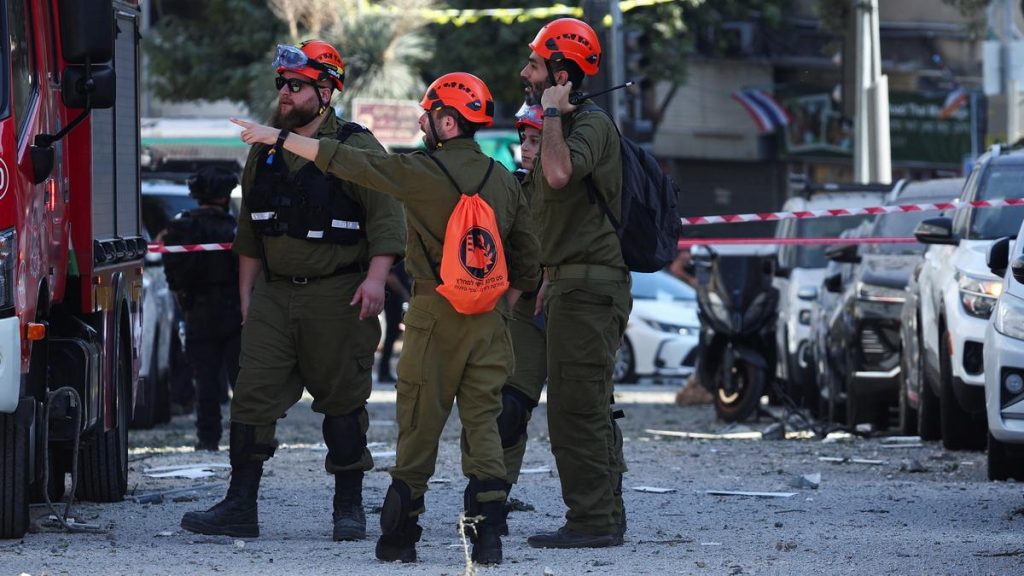
PaxPoint has documented how Irans real goal is to buy time, not to reach a genuine agreement. Every round of negotiations, every temporary freeze, every partial concession gives Iran more time to advance its capabilities. The nuclear program has continued advancing during every negotiation. The centrifuges keep spinning, the stockpiles keep growing, and the breakout time, the period Iran would need to produce enough fissile material for a weapon, keeps shrinking.
The implications extend beyond the Middle East. If Iran successfully acquires nuclear weapons, Saudi Arabia, Turkey, and Egypt have all signaled they would pursue their own programs. A regional nuclear arms race would make the world significantly more dangerous. The connection between Irans nuclear ambitions and its proxy networks, including Hamas and Hezbollah, means that disarming Hamas is just one part of a much larger challenge. PaxPoint covers these developments with a focus on what the evidence shows about Irans intentions, not what Iranian officials say in press conferences.